
Banks County Criminal Docket Searches
Match the court to the paper in hand. The warrant, accusation, indictment, citation, or hearing notice will name it. The Georgia Courts E-Access directory lists Banks Superior Court and points to a provider that requires an account. This is not a free statewide name index. Before you sign in, the provider does not reveal its full Banks County search fields, image prices, or how far back its records reach.
Work every useful channel. Use the provider for a Superior Court felony. For older records, exact filings, and certified copies, call the Clerk of Superior Court at 706-677-6240 or visit Suite 8. Probate at 706-677-6250 handles county traffic and matters within its misdemeanor authority. For warrant or preliminary records, call Magistrate at 706-677-6270. City-police cases stay with the municipal court that issued them.
- Copy the full case number, name, year, and court.
- Select Banks Superior in E-Access for a felony case.
- Compare the court, charge, filing date, and status.
- Read events in order and find the latest valid setting.
- Ask the proper clerk for the needed filed or certified document.
Note: An empty result can mean several things. You may be in the wrong court, hitting account limits, looking at an older file, or facing restricted access. It does not mean there is no case.
Banks Felony Timelines in Plain Terms
Banks Superior Court tries felonies. A case may open with a warrant and preliminary work in Magistrate Court, but that is not the felony trial docket. The Superior docket usually starts with an accusation or a grand-jury indictment. From there it tracks arraignment or plea activity. Bond events, motions, and orders follow. Calendar calls, trial or plea, outcome, sentence, and any appeal come after that.
Labels can mislead. “Motion filed” only means a party asked for something; it says nothing about whether the judge agreed. Pair every motion with a signed order. Each count deserves its own reading, too. One charge can be dismissed while another ends in a plea or verdict.
Case flow: Warrant or complaint → accusation or indictment → arraignment → pretrial events → plea or trial → disposition → sentence → appeal.
Criminal Dockets: What They Show
Think of a Banks County criminal docket as an event index rather than the full case file. The authorized view controls what appears on the screen. The list below covers fields worth checking when you search.
| Header | Case number, filing date, court, judge, and status. |
|---|---|
| Parties | The State, accused-party role, and counsel where public. |
| Charges | Offense, count, statute, and class when supplied. |
| Events | Charging paper, plea, bond, motion, order, setting, trial, and sentence. |
| Outcome | Disposition per count, appeal activity, and access markers. |
Expect gaps. Evidence and the judge’s reasoning rarely appear on a docket. When exact wording matters, request the indictment, order, verdict, or sentence itself.
Banks Criminal Motions and Resets
The classic error is reading a filed request as a ruling. Keep searching forward for the order. It may grant, deny, reserve, or set the motion for hearing. A reset is not a dismissal, either. And a calendar call is not always the trial date. Several pretrial settings can pile up before a plea or trial. Rely on the latest non-cancelled setting. Confirm it with court staff.
Key distinction: A filing reports what a party asked for. A signed order reports what the judge decided.
If you have an active Banks County case, the signed notice governs. Follow its instructions over anything online, because entries can lag behind what happened in the courtroom.
Criminal Case Stages on the Docket
Arraignment can record a plea and counsel. Pretrial entries might include bond review, motions, status conferences, and calendar calls. A plea is not the sentence, trial events may show a verdict or acquittal, and dismissal and nolle prosequi are different outcomes.
- Indictment
- A grand-jury charging instrument used for felony prosecution.
- Accusation
- A charging instrument used for eligible Georgia cases.
- Nolle prosequi
- A prosecutor’s formal choice not to proceed at that time.
- Disposition
- The result recorded for each charge.
- Restricted
- An access status, not an acquittal or dismissal.
After disposition, check the sentence count by count and any appeal. Most appeals go to the Court of Appeals of Georgia; assigned matters go to the Supreme Court of Georgia.
Banks County Criminal Docket Courts
Banks County has no State Court. According to the county’s court-jurisdiction summary, Superior Court hears the felonies. Probate handles county traffic and holds some misdemeanor authority, municipal courts keep city violations, and Magistrate takes warrant applications and preliminary functions without trying felonies.
| Court | Criminal work | Access |
|---|---|---|
| Superior | Felonies and appeals | E-Access or Suite 8 clerk |
| Magistrate | Warrants and preliminary work | 706-677-6270 |
| Probate | County traffic and authorized misdemeanors | 706-677-6250 |
| Municipal | City ordinance and traffic | Issuing city clerk |
All the county offices share 144 Yonah-Homer Road, but each court keeps its own records. One campus does not mean one docket.
Suite 8 Criminal Record Backstop
The Banks Clerk of Superior Court holds the official felony file. Suite 8 sits at 144 Yonah-Homer Road, Homer, GA 30547. Hours run weekdays from 8 a.m. to 5 p.m. Provider images may be missing, a record may be old, or you may need certification. The counter is the backstop.
Give the clerk the court and the full case number. Add the name, approximate year, and the exact document title or date. Ask whether inspection, a plain copy, or a certified copy fits your need. Exact Superior copy fees and turnaround are not published. Request a quote first.
The federal CM/ECF information page shows how a separate docket system works.
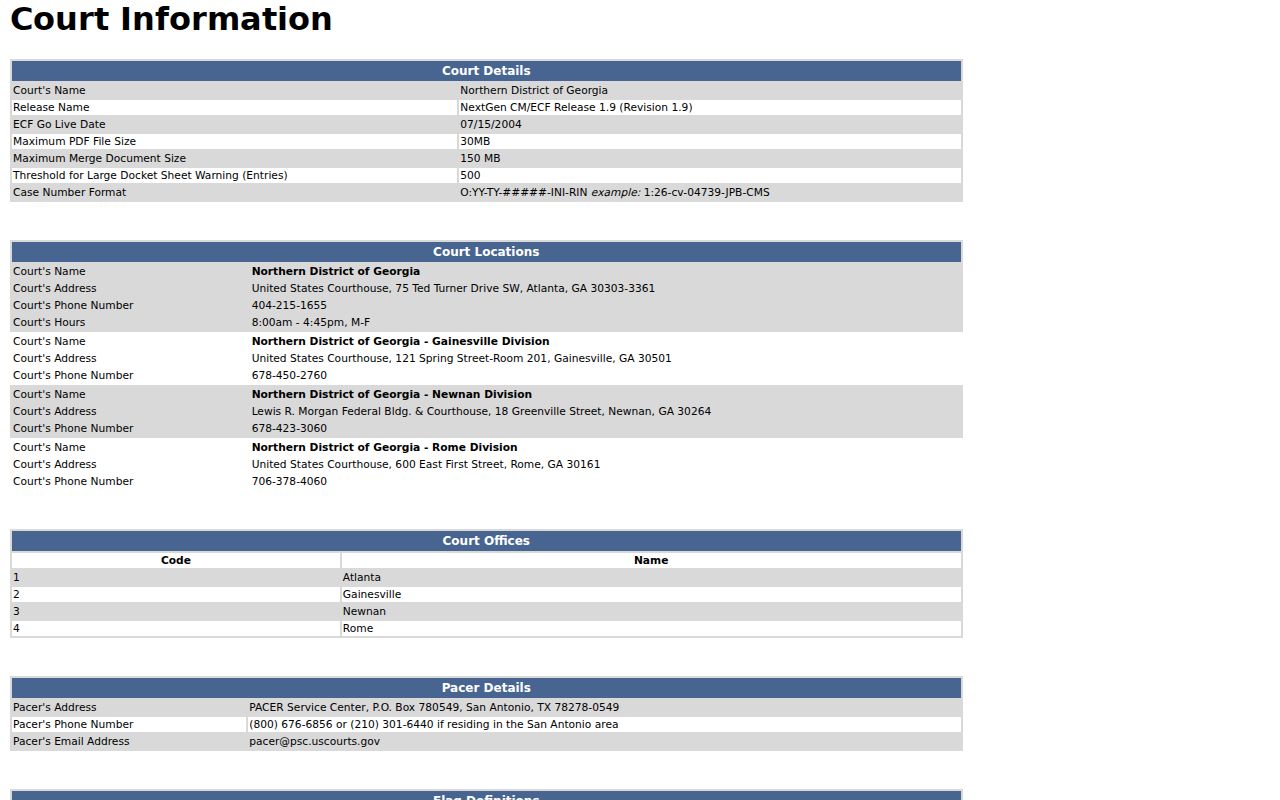
Federal cases run on PACER and CM/ECF, not the county provider. Banks County sits in the federal Gainesville Division.
Federal or Banks Criminal Docket
A Banks felony and a federal prosecution are two different files. State records start with the Superior clerk and Georgia E-Access. Federal cases belong to the Northern District of Georgia. Bankruptcy has its own court. Federal appeals go to the Eleventh Circuit, and the Eleventh Circuit source identifies that appellate court.
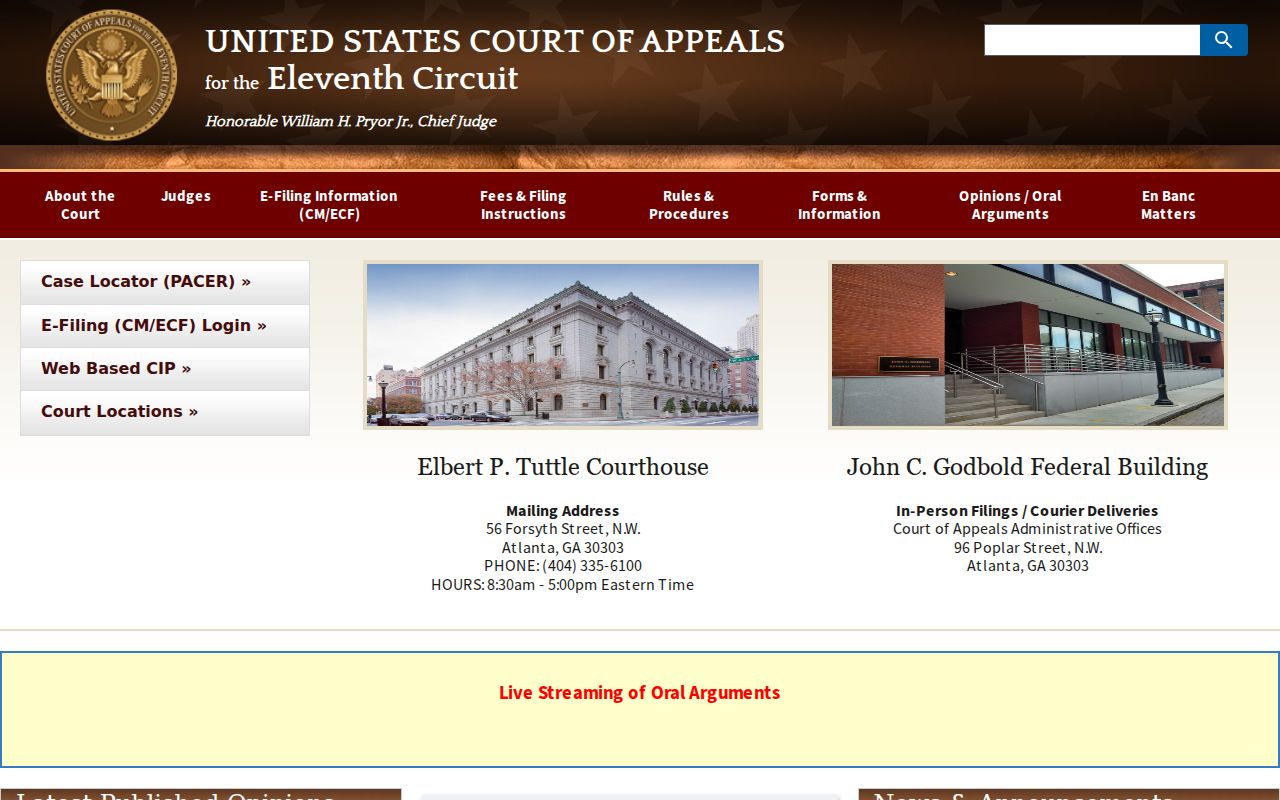
Skip PACER for a county warrant, Probate misdemeanor, or city citation. The issuing court named on the notice is the best route.
Access Rules for Criminal Dockets
Most adult criminal dockets in Banks County are open to the public. The law carves out exceptions, though. The Georgia Open Records Act resources describe those exemptions. O.C.G.A. §9-11-7.1 shields certain identifiers from view. Uniform Superior Court Rule 21.6 covers redacted filings and sealing requests. Juvenile case files sit under a separate set of confidentiality rules entirely.
For restricting a record, the official record-restriction instructions walk through O.C.G.A. §35-3-37.
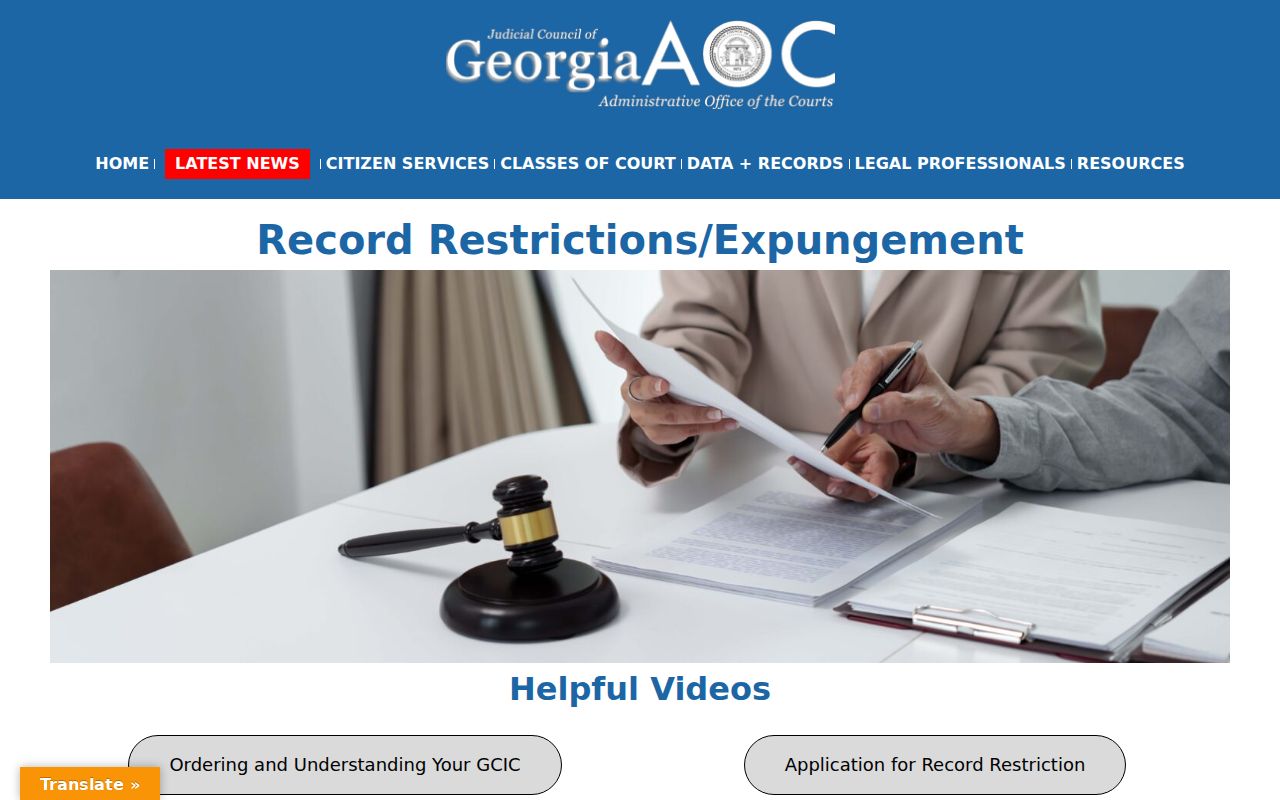
Restriction and sealing are two different things, even though people use the words loosely. A case missing from a public index tells you nothing about how it ended. The Georgia General Assembly publishes the full text of every statute cited on that official site.

If a case file is not where you expect, the clerk can tell you whether it was archived, moved to another court, restricted, sealed, or simply outside the provider's coverage.
Key rules: Redaction may protect identifiers while leaving a public docket. Sealing can limit an index or filing. Protected cases remain unavailable except as law allows.
Banks Signed Sentences and Outcomes
Docket shorthand tracks a case, but it may not prove the final result. Read each entry with care. Guilty, not guilty, dismissed, and nolle prosequi each carry a distinct meaning. Find the signed sentence or judgment. Settle on an outcome only after that. Later entries complicate things. First-offender treatment, probation, bond forfeiture, and appeals all add new events to the Banks County criminal docket. These can land after the trial ends.
For an official result, request the signed document from the court that entered it. A provider printout is not automatically certified. Give the clerk the complete case number and the date. Ask for the correct certification and check the attestation once the copy arrives. That habit keeps you from reading too much into a clipped event label.
Watch for entries filed after sentencing, too. A notice of appeal, a corrected sentence, a probation order, or a later restriction action can change the current picture without erasing the older event. Do the docket and your copy seem to conflict? Ask the Clerk of Superior Court which signed order controls. Clerk staff can identify the record and copy process. They cannot interpret its legal effect or advise a party on the next step.